How to Transfer USDC from MathWallet to an Exchange: A Step-by-Step Guide (2025)
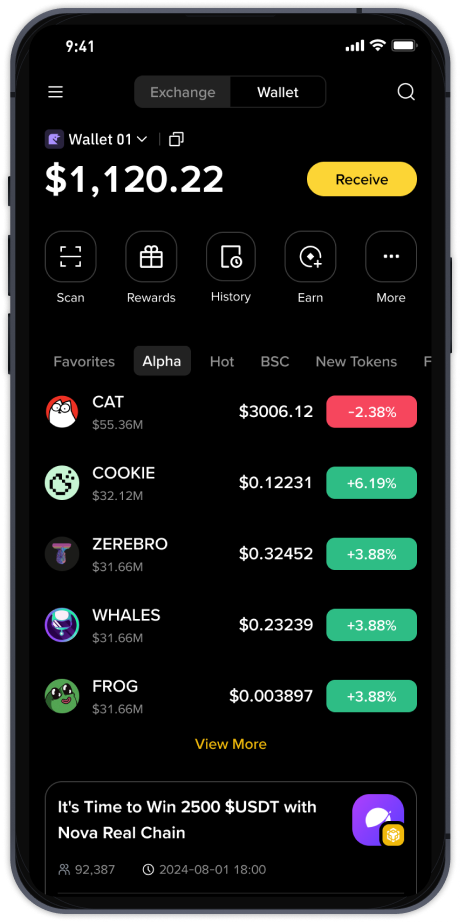
If you are holding USDC inside MathWallet and need to move it to a cryptocurrency exchange like Binance, Coinbase, or Kraken, the process is straightforward but requires specific attention to network settings. This guide will walk you through the exact steps to ensure your funds arrive safely and quickly. Before you begin, always double-check that both MathWallet and your target exchange support the same blockchain network for USDC, as transferring on the wrong network can lead to permanent loss of funds.
Step 1: Prepare Your Exchange Deposit Address
Log in to your exchange account and navigate to the deposit section. Search for USDC and select it. The exchange will present you with a list of supported networks, such as Ethereum (ERC-20), Solana, Polygon, BNB Smart Chain (BEP-20), or TRON (TRC-20). Choose the network you intend to use. For example, if you plan to use Ethereum's network, select ERC-20. Copy the deposit address provided by the exchange. Make absolutely sure that the network you select on the exchange matches the network you will use to send from MathWallet.
Step 2: Open MathWallet and Access Your USDC
Open the MathWallet app or browser extension. Navigate to your wallet that contains the USDC balance. Click on USDC to view your token details. You will see the balance and the network it is currently on. For instance, if your USDC is on the Polygon network, it will show "USDC (Polygon)". If you need to transfer to an exchange that only accepts USDC on the Ethereum network, you will first need to bridge your assets using a cross-chain bridge service, or simply send from a wallet that matches the target network. For this guide, we assume both sides support the same network.
Step 3: Select Send and Enter Recipient Details
Click the "Send" button. In the recipient field, paste the USDC deposit address you copied from the exchange. In the amount field, enter the quantity of USDC you wish to transfer. It is a good practice to send a small test amount first, especially if you are doing this for the first time. MathWallet will display a network fee estimate. This fee varies by blockchain—Ethereum fees are typically higher, while Polygon or BSC fees are lower. Confirm the details are correct, then proceed.
Step 4: Confirm the Network and Transaction
Before finalizing, look for the network indicator on the confirmation screen. It should clearly state the blockchain, for example, "Send on Ethereum" or "Send on BSC". If this does not match the network you chose on the exchange, cancel the transaction immediately. Once you are certain, confirm the transaction. You may need to enter your wallet password or use biometric verification. The transaction will be broadcast to the blockchain.
Step 5: Wait for Confirmation and Check the Exchange
After submitting, MathWallet will provide a transaction hash. You can use a blockchain explorer to track its progress. Most exchanges require a certain number of network confirmations before crediting your USDC. This can take anywhere from a few seconds (on Solana or BSC) to several minutes (on Ethereum). Once the exchange receives and confirms the deposit, your USDC balance will update in your exchange wallet. You are now free to trade, stake, or withdraw your funds as needed.
Important Tips for a Successful Transfer
- Always use the correct network. Sending USDC on the Polygon network to an Ethereum ERC-20 address will result in a failed transaction or lost funds.
- Keep a small amount of the native coin (e.g., ETH for ERC-20, MATIC for Polygon) in your MathWallet to cover gas fees.
- Double-check the deposit address for any typos or missing characters.
- If you encounter an error, verify that your MathWallet version is updated to the latest release.
By following these steps, you can transfer USDC from MathWallet to any major exchange securely. The key takeaway is network compatibility—always match the blockchain on both ends. Once mastered, this process becomes a routine part of managing your digital assets across platforms.