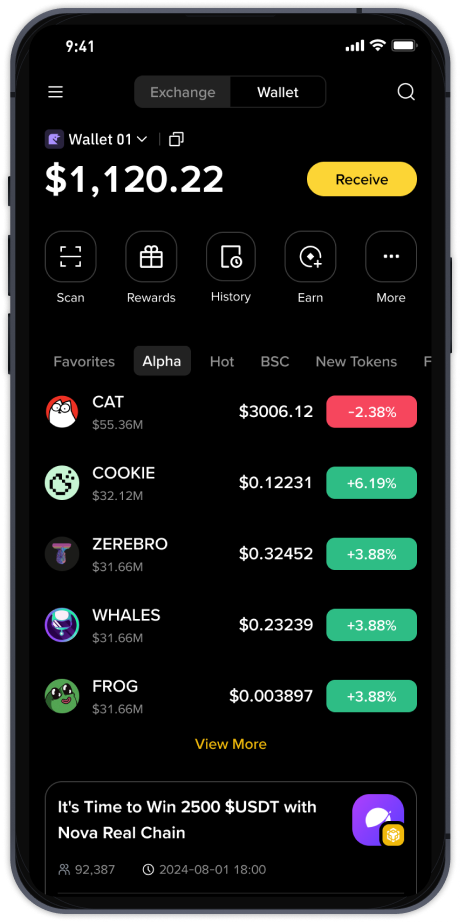
How to Use Binance’s Acquisition of an Indian Crypto Exchange: A Practical Guide for Traders

In late 2024, Binance, the world’s largest cryptocurrency exchange by trading volume, finalized its acquisition of a major Indian crypto platform. This move marked a significant shift in the Indian digital asset landscape, especially after Binance faced regulatory hurdles in the country earlier in the year. For Indian users and global traders looking to leverage this development, understanding how to use the merged platform is essential.
First, the acquisition means that existing users of the Indian exchange can now access Binance’s deep liquidity, advanced trading tools, and extensive altcoin listings. To start using the new integrated service, you need to create a Binance account if you do not already have one. If you were a user of the acquired Indian exchange, your credentials and wallet balances will be migrated automatically—provided you follow the official migration instructions sent via email or posted on the exchange’s website. Do not share your private keys or recovery phrases with any third party claiming to assist with the migration.
Once your account is set up or migrated, go to the Binance website or mobile app. The key feature for Indian users is the Indian National Rupee (INR) trading pairs. You can deposit INR via bank transfer or UPI (Unified Payments Interface), which is a fast and widely used payment method in India. To do this, navigate to “Wallet” then “Fiat and Spot,” and select “Deposit.” Choose INR as your currency, and you will see available payment methods including bank deposit and UPI. The process is similar to how you deposited funds on the Indian exchange, but now you benefit from Binance’s robust security infrastructure.
After funding your account, you can start trading. The acquisition has made it easier to trade major cryptocurrencies like Bitcoin (BTC) and Ethereum (ETH) against INR. You can also explore spot trading, futures, and staking options directly from your Binance dashboard. For users in India, the platform now supports compliance with local regulations, which means you can deposit and withdraw INR without the fear of sudden service interruptions that occurred in early 2024 when Binance was blocked in India.
Additionally, the acquisition unlocks lower trading fees compared to many standalone Indian exchanges. Binance offers a tiered fee structure that reduces costs for high-volume traders. To maximize this, consider using Binance’s native token, BNB, to pay for trading fees, which gives you an additional 25% discount. Simply enable the “Use BNB” option in the “Fee Settings” menu under your account profile.
For more advanced users, this acquisition means access to Binance’s global OTC (Over-the-Counter) desk for large trades, as well as the ability to participate in Launchpad token sales and earn passive income through Binance Earn. The merging of the two platforms also means that Indian users can now use Binance’s API for algorithmic trading, which was previously only available through international accounts.
Security is a priority. After the acquisition, you should enable two-factor authentication (2FA) using Google Authenticator or a hardware key. Also, set up withdrawal whitelist addresses to ensure funds can only be sent to pre-approved wallets. Binance has a dedicated support team for Indian users, reachable via the in-app chat or email, should you encounter any issues with deposits or withdrawals.
In summary, using Binance after its acquisition of the Indian exchange is straightforward: migrate your account, deposit INR via UPI or bank transfer, and trade with lower fees and higher liquidity. This move not only strengthens Binance’s presence in India but also offers Indian traders a more stable and feature-rich platform. Whether you are a beginner or a professional, the key is to follow official channels for migration and security setup. Take advantage of the combined liquidity and compliance to navigate the Indian crypto market with confidence.