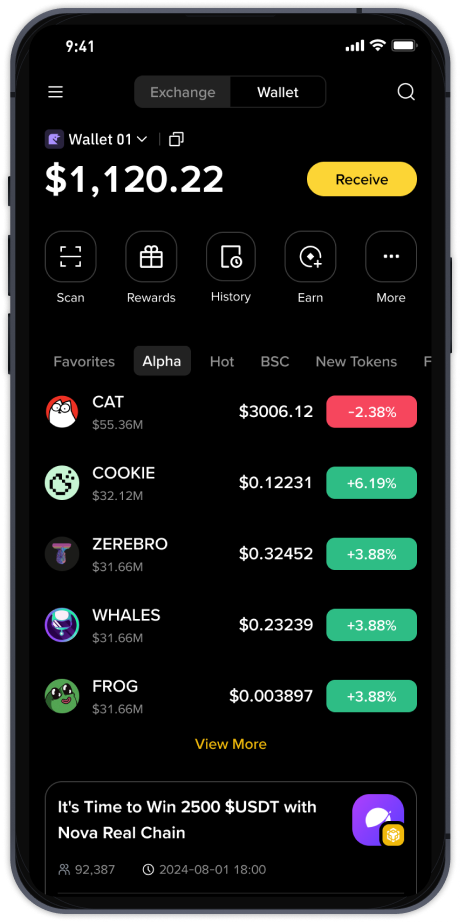
What Does "Binance Deposit" Mean? A Complete Guide to Funding Your Crypto Account

If you are new to cryptocurrency trading, you may have come across the term "Binance deposit" and wondered what it means. In simple terms, a Binance deposit refers to the process of transferring funds into your Binance account so that you can start trading, staking, or holding digital assets. This is the first step for anyone who wants to use the Binance platform, whether you are moving crypto from another wallet or adding fiat currency like USD or EUR.
There are two primary types of deposits on Binance: cryptocurrency deposits and fiat currency deposits. A cryptocurrency deposit involves sending digital assets—such as Bitcoin, Ethereum, or USDT—from an external wallet or another exchange to your Binance wallet address. To do this, you need to navigate to the "Deposit" section in your Binance account, select the specific cryptocurrency you want to deposit, and copy the provided deposit address. You then use this address as the destination when sending funds from your external source. It is critical to ensure you are using the correct network (e.g., ERC-20, BEP-20, or TRC-20) to avoid losing your funds.
A fiat currency deposit, on the other hand, allows you to add traditional money to your Binance account. This can be done through bank transfers, credit or debit cards, or third-party payment services like Advcash or Simplex. The process varies by region, as Binance supports different local payment methods depending on your country. For example, users in the United States may use ACH transfers, while users in Europe can use SEPA. Once the fiat funds arrive in your account, you can use them to buy cryptocurrencies directly.
Understanding the meaning of a Binance deposit is essential because it directly affects your trading readiness. Without a successful deposit, you cannot execute trades or participate in Binance's ecosystem. Additionally, each deposit method has associated fees and processing times. Cryptocurrency deposits are usually faster—sometimes arriving within minutes—but may involve network fees charged by the blockchain. Fiat deposits can take one to five business days, depending on the payment method, and may include service fees charged by Binance or the payment provider.
Another important aspect is security. When you make a deposit, double-check the wallet address and the network type. Scammers often attempt to trick users by providing fake addresses or urging them to send funds to "verification" addresses. Binance recommends using the "whitelist address" feature to add extra protection. Also, never share your deposit address or private keys with anyone. A legitimate Binance deposit will always appear in your "Spot Wallet" under the "Funds" section after the transaction is confirmed on the blockchain.
In summary, a Binance deposit means adding money or cryptocurrency to your Binance account, enabling you to trade or hold assets. Whether you are using a crypto transfer or a fiat payment, the principle remains the same: you are funding your account. By understanding the deposit process, fees, and security practices, you can avoid common mistakes and begin your crypto journey with confidence.