What Exchange Does the Binance Wallet Plugin Use? A Complete Guide

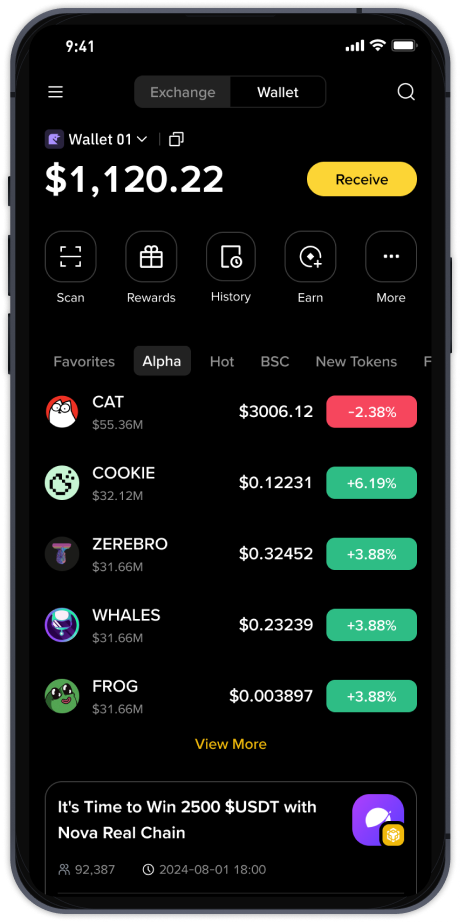
The Binance Wallet Plugin is a browser extension designed to seamlessly interact with the Binance ecosystem, including its native exchange, Binance.com, and the broader decentralized web. When users ask "what exchange does this plugin use?", the direct answer is the Binance exchange itself. However, the plugin's functionality extends far beyond a single centralized platform. This article breaks down how the plugin connects to Binance, supports decentralized exchanges (DEXs), and facilitates cross-chain trading.
First and foremost, the Binance Wallet Plugin is powered by the Binance exchange. It allows users to log into their Binance account directly from the browser, enabling instant access to spot trading, futures, and other centralized exchange (CEX) services. This integration makes it a hybrid tool—part non-custodial wallet for self-custody of assets, part gateway to Binance's liquidity and trading pairs. For example, you can deposit funds from your plugin wallet into your Binance CEX account without leaving the extension, simplifying the process of moving between personal storage and exchange trading.
Beyond the centralized Binance exchange, the plugin also supports trading on Binance DEX (decentralized exchange). Binance DEX, running on the Binance Chain (BCD), is a non-custodial exchange where users retain control over their private keys. The plugin automatically connects to Binance DEX when you visit its interface, allowing you to swap BEP-2 tokens directly from your wallet. This eliminates the need for a separate smart contract approval, offering a smoother user experience than many other DeFi wallets.
Furthermore, the plugin acts as a bridge to hundreds of other decentralized exchanges through its integration with the Binance Smart Chain (BSC) ecosystem. By switching the network to BSC in the plugin settings, users can interact with PancakeSwap, BakerySwap, and other BSC-based DEXs. These platforms allow token swaps, liquidity provision, and yield farming without leaving the plugin. The keyword here is "plugin swaps with DEX liquidity"—the Binance Wallet does not operate its own order book for these trades; instead, it aggregates liquidity from the connected DEX smart contracts.
It is critical to distinguish between the Binance Wallet Plugin and the Binance Chain Wallet. While both serve similar functions, the plugin is the newer, more versatile version. It natively supports multi-chain assets (BSC, Ethereum, Polygon, and others) via a single interface. This means you can trade ETH-based tokens on Uniswap, Polygon-based tokens on QuickSwap, or BSC tokens on PancakeSwap—all while maintaining the same seed phrase and security model. The plugin does not require you to log into a centralized exchange for these trades, highlighting its role as a multi-chain DEX aggregator.
For security-conscious traders, the Binance Wallet Plugin stores private keys locally on your device, encrypted with your password. When you perform a swap on a DEX, the plugin constructs and signs the transaction locally before broadcasting it to the network. The Binance exchange never holds your funds during these DEX interactions. However, if you choose to use the "Swap" feature within the plugin's built-in exchange toggle, some small trades may be routed through Binance's internal liquidity for better rates—this is clearly indicated in the transaction preview.
In summary, the Binance Wallet Plugin is not tied to a single exchange. Its primary association is with the Binance centralized exchange for direct account management and trading. Simultaneously, it functions as a universal access point for Binance DEX, BSC-based DEXs, and cross-chain decentralized platforms. The answer to "what exchange does it use?" is both simple and layered: the Binance exchange, plus any DEX supported by the blockchains you connect to. This flexibility makes the plugin a powerful tool for any trader who values both centralized liquidity and decentralized autonomy.